DEHOCO BRAND LAB

The Work You Don’t See, Yet the Work That Changes Everything.

Great businesses are built with purpose, structure, and the discipline.

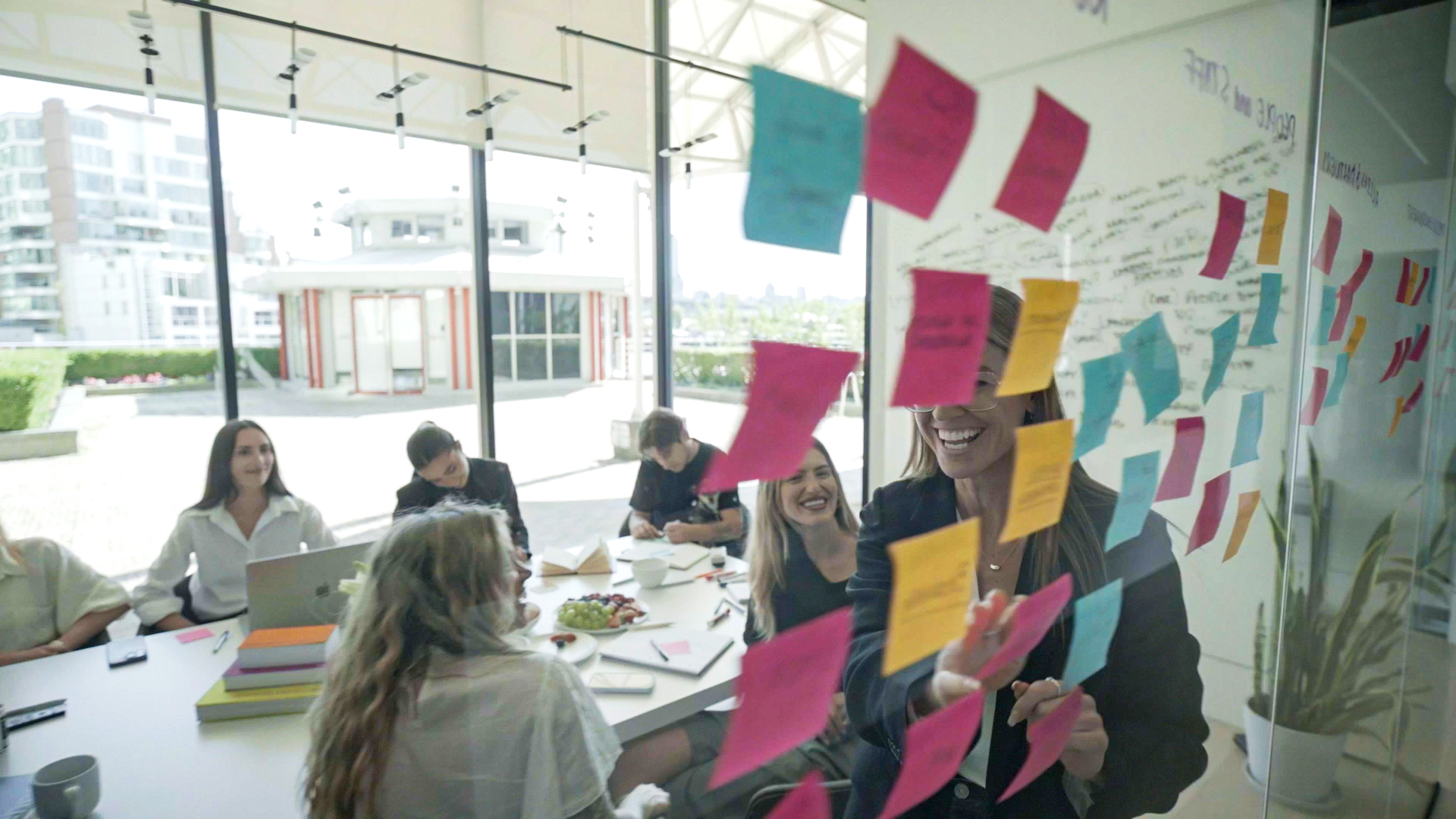
Our Brand Lab brings your team into the heart of the process, working alongside ours to remove what doesn't matter, sharpen what does, and build the strategy that makes bold brands possible. Our Brand Lab is where strategy meets conviction.

INTENTION
INTENTION
INTENTION
INTENTION

We use an integrated system that build unstoppable brands.

Creating a brand that drives growth, builds loyalty, and endures, demands four things working in lockstep: clarity of intention, strong architecture, an aligned environment, and disciplined execution.

These aren't four separate services. They're four pillars of a single, integrated system. Each one informs the next. All of them anchored in one belief: great brands are built from the inside out.

BRAND LAB OUTCOMES

Hundreds of Brand Labs. One consistent outcome.

Some were preparing to launch. Some were repositioning after a pivot. Some had several founders in a room who neededthe answer to the question: what are we actually building? Some simply knew that something wasn't working and couldn't yet name what it was.

Regardless of objective, one consistent outcome was achieved, a brand that knows exactly what it is before it asks the world to care.

“Working with dehoco helped us see that we weren't just a tree-planting company that sold clothes, we were a brand with a genuine point of view on how people should move through the world. That clarity changed everything about how we communicated, who we hired, and what we built next.”

‍

Ten Tree had one of the most compelling brand mechanisms in sustainable fashion. The Brand Lab helped them understand why that wasn't the same as having a complete brand.

‍

Plant ten trees for every item sold. As brand promises go, it's about as clear as they come, auditable, tangible, and genuinely meaningful. Ten Tree had built a following on the back of it, earned their B Corp certification, and were well on their way to planting tens of millions of trees around the world. By the time we sat down with them, the mission wasn't the problem. The problem was everything surrounding it.

‍

A brand built entirely around a mechanism, even a beautiful, world-positive one, eventually has to answer harder questions. Who are you beyond what you do? What does it feel like to wear your clothes, not just to buy them? Why would someone choose you over a competitor who has also figured out how to talk about sustainability? These aren't marketing questions. They're identity questions. And they require a different kind of work.

‍

‍

‍

Purpose gives a brand permission to exist. Aesthetic and identity give people a reason to love it.

‍

‍

‍

The Brand Lab pushed on a tension at the core of Ten Tree's positioning: if the clothing is secondary to the mission, what keeps a customer returning once the novelty of the impact has worn off? The answer wasn't to make the mission less central, it was to build a genuine aesthetic identity that made the clothing worth wanting in its own right. Ten Tree's fabrics were thoughtfully sourced, their silhouettes considered, their visual language rooted in the natural environments they were working to protect. None of that was being communicated with enough intention.

‍

We also worked on the question of the customer,specifically, who sits at the centre of the Ten Tree community. The brand had been defining them by their values (environmentally conscious, ethically minded) which is how almost every sustainable brand defines their customer, and which means very little as a differentiator. We helped Ten Tree move to a disposition-based definition: curious, present, connected to the places they spend time in. Someone who understands that protecting the world they love to be in is not a transaction but a practice.

‍

The Brand Lab delivered a strategic architecture, a hierarchy of brand truths that put the mission, the aesthetic, and the community in the right relationship to each other. Not competing for primacy, but working together as a single coherent idea. That architecture shaped how Ten Tree communicated as they scaled, as they launched their blockchain tree-traceability platform, and as they pursued partnerships with some of the most forward-thinking players in sustainable retail.

‍

The trees were always real. The Brand Lab made sure the brand was too.

If your brand has a powerful mission but feels like something is still missing, a Brand Lab can help you find it.

“Working with dehoco helped us see that we weren't just a tree-planting company that sold clothes, we were a brand with a genuine point of view on how people should move through the world. That clarity changed everything about how we communicated, who we hired, and what we built next.”

‍

Ten Tree had one of the most compelling brand mechanisms in sustainable fashion. The Brand Lab helped them understand why that wasn't the same as having a complete brand.

‍

Plant ten trees for every item sold. As brand promises go, it's about as clear as they come, auditable, tangible, and genuinely meaningful. Ten Tree had built a following on the back of it, earned their B Corp certification, and were well on their way to planting tens of millions of trees around the world. By the time we sat down with them, the mission wasn't the problem. The problem was everything surrounding it.

‍

A brand built entirely around a mechanism, even a beautiful, world-positive one, eventually has to answer harder questions. Who are you beyond what you do? What does it feel like to wear your clothes, not just to buy them? Why would someone choose you over a competitor who has also figured out how to talk about sustainability? These aren't marketing questions. They're identity questions. And they require a different kind of work.

‍

‍

‍

Purpose gives a brand permission to exist. Aesthetic and identity give people a reason to love it.

‍

‍

‍

The Brand Lab pushed on a tension at the core of Ten Tree's positioning: if the clothing is secondary to the mission, what keeps a customer returning once the novelty of the impact has worn off? The answer wasn't to make the mission less central, it was to build a genuine aesthetic identity that made the clothing worth wanting in its own right. Ten Tree's fabrics were thoughtfully sourced, their silhouettes considered, their visual language rooted in the natural environments they were working to protect. None of that was being communicated with enough intention.

‍

We also worked on the question of the customer,specifically, who sits at the centre of the Ten Tree community. The brand had been defining them by their values (environmentally conscious, ethically minded) which is how almost every sustainable brand defines their customer, and which means very little as a differentiator. We helped Ten Tree move to a disposition-based definition: curious, present, connected to the places they spend time in. Someone who understands that protecting the world they love to be in is not a transaction but a practice.

‍

The Brand Lab delivered a strategic architecture, a hierarchy of brand truths that put the mission, the aesthetic, and the community in the right relationship to each other. Not competing for primacy, but working together as a single coherent idea. That architecture shaped how Ten Tree communicated as they scaled, as they launched their blockchain tree-traceability platform, and as they pursued partnerships with some of the most forward-thinking players in sustainable retail.

‍

The trees were always real. The Brand Lab made sure the brand was too.

If your brand has a powerful mission but feels like something is still missing, a Brand Lab can help you find it.

“Working with dehoco helped us see that we weren't just a tree-planting company that sold clothes, we were a brand with a genuine point of view on how people should move through the world. That clarity changed everything about how we communicated, who we hired, and what we built next.”

‍

Ten Tree had one of the most compelling brand mechanisms in sustainable fashion. The Brand Lab helped them understand why that wasn't the same as having a complete brand.

‍

Plant ten trees for every item sold. As brand promises go, it's about as clear as they come, auditable, tangible, and genuinely meaningful. Ten Tree had built a following on the back of it, earned their B Corp certification, and were well on their way to planting tens of millions of trees around the world. By the time we sat down with them, the mission wasn't the problem. The problem was everything surrounding it.

‍

A brand built entirely around a mechanism, even a beautiful, world-positive one, eventually has to answer harder questions. Who are you beyond what you do? What does it feel like to wear your clothes, not just to buy them? Why would someone choose you over a competitor who has also figured out how to talk about sustainability? These aren't marketing questions. They're identity questions. And they require a different kind of work.

‍

‍

‍

Purpose gives a brand permission to exist. Aesthetic and identity give people a reason to love it.

‍

‍

‍

The Brand Lab pushed on a tension at the core of Ten Tree's positioning: if the clothing is secondary to the mission, what keeps a customer returning once the novelty of the impact has worn off? The answer wasn't to make the mission less central, it was to build a genuine aesthetic identity that made the clothing worth wanting in its own right. Ten Tree's fabrics were thoughtfully sourced, their silhouettes considered, their visual language rooted in the natural environments they were working to protect. None of that was being communicated with enough intention.

‍

We also worked on the question of the customer,specifically, who sits at the centre of the Ten Tree community. The brand had been defining them by their values (environmentally conscious, ethically minded) which is how almost every sustainable brand defines their customer, and which means very little as a differentiator. We helped Ten Tree move to a disposition-based definition: curious, present, connected to the places they spend time in. Someone who understands that protecting the world they love to be in is not a transaction but a practice.

‍

The Brand Lab delivered a strategic architecture, a hierarchy of brand truths that put the mission, the aesthetic, and the community in the right relationship to each other. Not competing for primacy, but working together as a single coherent idea. That architecture shaped how Ten Tree communicated as they scaled, as they launched their blockchain tree-traceability platform, and as they pursued partnerships with some of the most forward-thinking players in sustainable retail.

‍

The trees were always real. The Brand Lab made sure the brand was too.

If your brand has a powerful mission but feels like something is still missing, a Brand Lab can help you find it.

“Working with dehoco helped us see that we weren't just a tree-planting company that sold clothes, we were a brand with a genuine point of view on how people should move through the world. That clarity changed everything about how we communicated, who we hired, and what we built next.”

‍

Ten Tree had one of the most compelling brand mechanisms in sustainable fashion. The Brand Lab helped them understand why that wasn't the same as having a complete brand.

‍

Plant ten trees for every item sold. As brand promises go, it's about as clear as they come, auditable, tangible, and genuinely meaningful. Ten Tree had built a following on the back of it, earned their B Corp certification, and were well on their way to planting tens of millions of trees around the world. By the time we sat down with them, the mission wasn't the problem. The problem was everything surrounding it.

‍

A brand built entirely around a mechanism, even a beautiful, world-positive one, eventually has to answer harder questions. Who are you beyond what you do? What does it feel like to wear your clothes, not just to buy them? Why would someone choose you over a competitor who has also figured out how to talk about sustainability? These aren't marketing questions. They're identity questions. And they require a different kind of work.

‍

‍

‍

Purpose gives a brand permission to exist. Aesthetic and identity give people a reason to love it.

‍

‍

‍

The Brand Lab pushed on a tension at the core of Ten Tree's positioning: if the clothing is secondary to the mission, what keeps a customer returning once the novelty of the impact has worn off? The answer wasn't to make the mission less central, it was to build a genuine aesthetic identity that made the clothing worth wanting in its own right. Ten Tree's fabrics were thoughtfully sourced, their silhouettes considered, their visual language rooted in the natural environments they were working to protect. None of that was being communicated with enough intention.

‍

We also worked on the question of the customer,specifically, who sits at the centre of the Ten Tree community. The brand had been defining them by their values (environmentally conscious, ethically minded) which is how almost every sustainable brand defines their customer, and which means very little as a differentiator. We helped Ten Tree move to a disposition-based definition: curious, present, connected to the places they spend time in. Someone who understands that protecting the world they love to be in is not a transaction but a practice.

‍

The Brand Lab delivered a strategic architecture, a hierarchy of brand truths that put the mission, the aesthetic, and the community in the right relationship to each other. Not competing for primacy, but working together as a single coherent idea. That architecture shaped how Ten Tree communicated as they scaled, as they launched their blockchain tree-traceability platform, and as they pursued partnerships with some of the most forward-thinking players in sustainable retail.

‍

The trees were always real. The Brand Lab made sure the brand was too.

If your brand has a powerful mission but feels like something is still missing, a Brand Lab can help you find it.

“Working with dehoco helped us see that we weren't just a tree-planting company that sold clothes, we were a brand with a genuine point of view on how people should move through the world. That clarity changed everything about how we communicated, who we hired, and what we built next.”

‍

Ten Tree had one of the most compelling brand mechanisms in sustainable fashion. The Brand Lab helped them understand why that wasn't the same as having a complete brand.

‍

Plant ten trees for every item sold. As brand promises go, it's about as clear as they come, auditable, tangible, and genuinely meaningful. Ten Tree had built a following on the back of it, earned their B Corp certification, and were well on their way to planting tens of millions of trees around the world. By the time we sat down with them, the mission wasn't the problem. The problem was everything surrounding it.

‍

A brand built entirely around a mechanism, even a beautiful, world-positive one, eventually has to answer harder questions. Who are you beyond what you do? What does it feel like to wear your clothes, not just to buy them? Why would someone choose you over a competitor who has also figured out how to talk about sustainability? These aren't marketing questions. They're identity questions. And they require a different kind of work.

‍

‍

‍

Purpose gives a brand permission to exist. Aesthetic and identity give people a reason to love it.

‍

‍

‍

The Brand Lab pushed on a tension at the core of Ten Tree's positioning: if the clothing is secondary to the mission, what keeps a customer returning once the novelty of the impact has worn off? The answer wasn't to make the mission less central, it was to build a genuine aesthetic identity that made the clothing worth wanting in its own right. Ten Tree's fabrics were thoughtfully sourced, their silhouettes considered, their visual language rooted in the natural environments they were working to protect. None of that was being communicated with enough intention.

‍

We also worked on the question of the customer,specifically, who sits at the centre of the Ten Tree community. The brand had been defining them by their values (environmentally conscious, ethically minded) which is how almost every sustainable brand defines their customer, and which means very little as a differentiator. We helped Ten Tree move to a disposition-based definition: curious, present, connected to the places they spend time in. Someone who understands that protecting the world they love to be in is not a transaction but a practice.

‍

The Brand Lab delivered a strategic architecture, a hierarchy of brand truths that put the mission, the aesthetic, and the community in the right relationship to each other. Not competing for primacy, but working together as a single coherent idea. That architecture shaped how Ten Tree communicated as they scaled, as they launched their blockchain tree-traceability platform, and as they pursued partnerships with some of the most forward-thinking players in sustainable retail.

‍

The trees were always real. The Brand Lab made sure the brand was too.

If your brand has a powerful mission but feels like something is still missing, a Brand Lab can help you find it.

“Working with dehoco helped us see that we weren't just a tree-planting company that sold clothes, we were a brand with a genuine point of view on how people should move through the world. That clarity changed everything about how we communicated, who we hired, and what we built next.”

‍

Ten Tree had one of the most compelling brand mechanisms in sustainable fashion. The Brand Lab helped them understand why that wasn't the same as having a complete brand.

‍

Plant ten trees for every item sold. As brand promises go, it's about as clear as they come, auditable, tangible, and genuinely meaningful. Ten Tree had built a following on the back of it, earned their B Corp certification, and were well on their way to planting tens of millions of trees around the world. By the time we sat down with them, the mission wasn't the problem. The problem was everything surrounding it.

‍

A brand built entirely around a mechanism, even a beautiful, world-positive one, eventually has to answer harder questions. Who are you beyond what you do? What does it feel like to wear your clothes, not just to buy them? Why would someone choose you over a competitor who has also figured out how to talk about sustainability? These aren't marketing questions. They're identity questions. And they require a different kind of work.

‍

‍

‍

Purpose gives a brand permission to exist. Aesthetic and identity give people a reason to love it.

‍

‍

‍

The Brand Lab pushed on a tension at the core of Ten Tree's positioning: if the clothing is secondary to the mission, what keeps a customer returning once the novelty of the impact has worn off? The answer wasn't to make the mission less central, it was to build a genuine aesthetic identity that made the clothing worth wanting in its own right. Ten Tree's fabrics were thoughtfully sourced, their silhouettes considered, their visual language rooted in the natural environments they were working to protect. None of that was being communicated with enough intention.

‍

We also worked on the question of the customer,specifically, who sits at the centre of the Ten Tree community. The brand had been defining them by their values (environmentally conscious, ethically minded) which is how almost every sustainable brand defines their customer, and which means very little as a differentiator. We helped Ten Tree move to a disposition-based definition: curious, present, connected to the places they spend time in. Someone who understands that protecting the world they love to be in is not a transaction but a practice.

‍

The Brand Lab delivered a strategic architecture, a hierarchy of brand truths that put the mission, the aesthetic, and the community in the right relationship to each other. Not competing for primacy, but working together as a single coherent idea. That architecture shaped how Ten Tree communicated as they scaled, as they launched their blockchain tree-traceability platform, and as they pursued partnerships with some of the most forward-thinking players in sustainable retail.

‍

The trees were always real. The Brand Lab made sure the brand was too.

If your brand has a powerful mission but feels like something is still missing, a Brand Lab can help you find it.

• CASE STUDIES

Tentree: Finding the way back to who they are.

So the team went deep on the one question that mattered: who are we, really? They worked it from the customer side in, getting honest about the core of the brand and the products that actually carried it. Two days of that work made something undeniable: Tentree had steered away from who they really were.

Once that was clear, they reconnected to it. The owners truly heard it, and the founders captured it in a raw video about why they started the company in the first place. Tentree walked out connected to their core and clear on exactly what needed to change, the actions to make that change, and a product vision to carry it.

Kit and Ace: When the bravest answer is to let go.
Everyone was in the room: full ownership and the entire team, each carrying a different idea of what Kit and Ace should become. The stakes were high. People with a lot on the line, an ownership group shouldering the burden of a self-funded turnaround, real cash constraints, and gaps in the leadership and expertise a rebrand would demand.

Together we built a new vision for the brand and ran the numbers on what it would actually take to bring it back. The work pointed somewhere uncomfortable but undeniable: the strongest future for Kit and Ace was not another self-funded turnaround. It was the right owner, a company with the in-house capability and the capital to grow the brand properly. The Lab’s job is not to tell ownership what they want to hear. It is to find the truth and make it actionable. For Kit and Ace, that clarity took courage: the decision to find the perfect buyer and protect the brand’s future by placing it in the right hands.

OneUp Components: capturing a culture so it can outlast its founders

The owners the mountain bike component brand came to Dehoco with an unusual challenge. OneUp wasn’t broken. It was thriving, with a culture built by riders, for riders. The question was what would happen to that culture if the owners ever stepped away. The Lab existed to make sure the answer wasn’t left to chance.

Over two days the team did the work of articulating what had always been instinct: why OneUp exists, the vision of every bike ride being simply better, the values of riding, engineering and making the gear they want on their own bikes. They pressure-tested who their customer really is, why the business actually succeeds, and what they will never tolerate. Then they made it durable, writing a declaration of where the company would stand from that day forth. OneUp left with their identity captured, their leadership aligned, and a culture that no longer lives only in the heads of its founders.

BOA: a heritage brand, rebuilt for what’s next
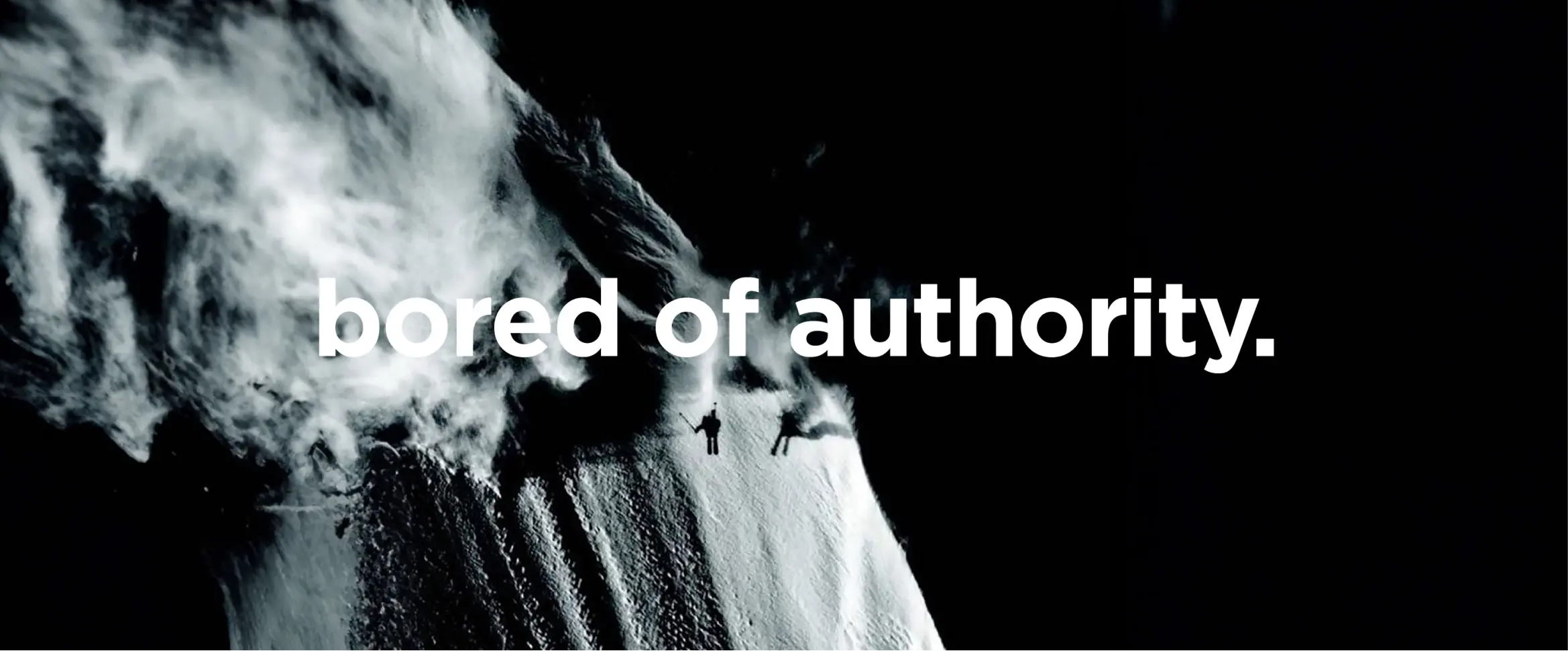
The entire team and the founders showed up to answer one question: who is this brand now? Bored of Authority was a heritage skateboard brand that needed to be brought into the future, and the founder needed a clear-eyed look at the brand’s next chapter as a modern, technical outerwear company.

Over two days the team aligned on that future and, just as importantly, on how to reach it: concrete milestones for growth, a plan to raise capital, and a first retail store in Whistler to launch a full rebrand. BOA left with momentum and a roadmap, not just an aspiration.

Discover

We go deep. Into your business, your market, your competitors, your culture, and your ambitions. We ask the questions and we don't stop until we know exactly where you are. Knowing where you are is the first step to knowing where you are going.

Collaborate.

This is where it gets real. Your team joins ours in intensive working sessions, energised, challenging, and deliberate. We synthesise insights, test hypotheses, tear down what doesn't hold, and shape a direction that everyone believes in.

Activate

Strategy without execution is just theory. We translate every insight, every decision, every creative direction into tangible brand assets built to drive action. This is where thinking becomes doing.


- BRAND LAB REFLECTIONS

"Dehoco became more than a branding partner; they became a trusted extension of our team and helped bring our vision to life."

— Trevor Millar, Ambio

"Dehoco transformed what felt like an overwhelming rebrand into one of the most rewarding experiences our team has ever had."

— Devin Delany, Delany's Coffee

"No one comes close to Dehoco's ability to bring purpose, vision, and human potential to life through branding."

— Gillian Maxwell and Richard Kay, Founders, The Sentinel

"Dehoco reignited our vision and launched one of the most productive chapters in our company's history."

— Chip Wilson

"Every session with Dehoco leaves us energized, inspired, and excited, with work that consistently exceeds every expectation."

 — Sandi Kinghorn, Controller, Kinghorn Financial and Kinghorn Law

"Dehoco helped us bring our vision to life and challenge what's possible, even in the most unforeseen circumstances."

 Jamie Armstrong, Founder, Method Indoor Cycling and Ritual Urban Retreat